The Shelf That Says Welcome: Reading a Country Inn's Lending Habit
Photo: Show Bride, Public domain, via Wikimedia Commons
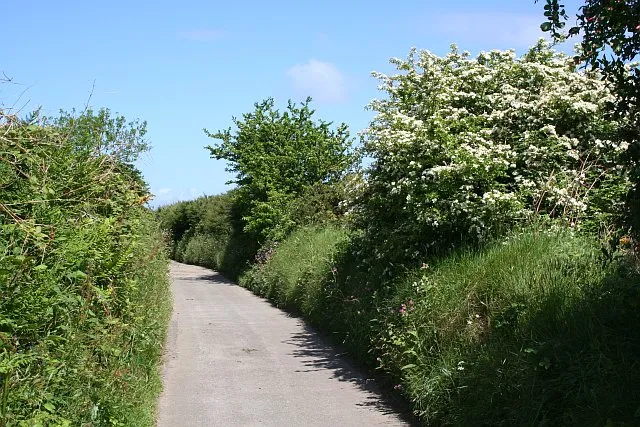
Rain is running down the collar of your coat and the lane outside has turned into a shallow stream. You push open the door of a country inn, drop your bag, and spot it: a row of umbrellas by the porch, a crate of wellies in assorted sizes, and a laminated map of the local footpaths with a hand-written note that says take one, bring it back. Nothing about that shelf is glossy. It is also the most persuasive hospitality pitch you will see all weekend.
Call it the borrowed umbrella test. A lending shelf is a small act of trust, and trust is what separates a country inn that merely takes bookings from one that actually looks after people. You can read a lot from what an inn chooses to lend, how it lends it, and whether anyone seems to care when it comes back muddy.
Why a lending shelf matters more than a welcome speech
Most inns say they are welcoming. Fewer can prove it without saying a word. A lending shelf proves it quietly. It says the people running the place have thought about the guest who arrives in trainers on a wet Friday, the couple who fancy a walk but forgot the map, the family who need a board game because the rain has settled in until Tuesday, and the dog owner who has forgotten a towel for a wet spaniel.
It also says something about how the inn sees its own role. A proper country inn is not just a bed and a dinner. It is a base camp for the lane, the moor, the river path and the village. The lending shelf is where that idea becomes practical. It is local knowledge made available without a booking form or a sales pitch.
What you will usually find, and what it tells you
The contents matter less than the condition. A good shelf tends to hold a mix of the obvious and the quietly thoughtful: umbrellas that open, wellies in several sizes, a torch with working batteries, local walking maps, a few dog towels, maybe a bird book, a pack of cards and a board game with all its pieces. One inn might lend a flask. Another might have a small box of reading glasses. Neither is essential, but both suggest someone is paying attention.
Condition is the clue. A shelf of broken umbrellas and one odd welly is not hospitality; it is clutter with good intentions. A neat crate of clean wellies, a map that has been updated, and a torch that switches on first time tells you the shelf is checked, not just assembled. That is the difference between an inn that likes the idea of being helpful and one that actually is.
The local knowledge tucked inside
The best lending shelves are also miniature information desks. Look for hand-written notes about the walk to the next village, the pub that does a good lunch on a Monday, the shortcut that avoids the worst of the mud, and the bridge that is closed until the spring. A printed leaflet is fine. A map with someone's pencil marks on it is better. It means a member of staff has stood at that shelf and thought about the guest who will use it next.
That is the sort of detail you cannot fake with a fancy website. It is also the sort of thing that makes a short break feel easier. You do not need to plan every step from home if the inn has already done some of the thinking for you.
A pre-booking checklist for the guest-minded inn
You can test a lending habit before you arrive. Add these questions to your usual booking research:
- Ask whether the inn has spare umbrellas, wellies or torches for guests. The answer is more revealing than the wording of the website.
- Look for mentions of maps, walking routes or local guides in reviews. Guests tend to mention the small things that made a difference.
- Check whether the inn welcomes dogs and what it provides: towels, bowls, somewhere to hose muddy paws. A dog-friendly claim is stronger when there is practical kit behind it.
- Ask if there are board games or books for wet afternoons. This matters more in a rural inn than a city hotel.
- Enquire about wellie sizes if you are planning a muddy walk. A single pair in the porch is a nice touch; a range of sizes is a system.
- Check the return arrangements. A simple honesty system, a hook by the door or a note asking you to bring things back is usually a good sign.
- If you need accessibility or family kit, ask directly. A guest-minded inn will tell you what it has and what it does not.
When the shelf is a red flag
A lending shelf can also reveal the opposite. If the umbrellas are all broken, the maps are years out of date and the torch has no batteries, it suggests nobody is checking. That does not make a place bad, but it does tell you the hospitality is more talk than practice. The same goes for a shelf that exists only as a photo on the website. Ask a question and see how the answer comes back. Warm, specific replies are a better signal than a beautifully styled porch.
The small trust that shapes a stay
The borrowed umbrella test is not about free stuff. It is about whether an inn is set up for the reality of rural breaks: wet weather, muddy lanes, forgotten essentials and the lovely aimless afternoon when a board game is better than a screen. A lending shelf says the inn expects you to go outside, come back damp, and feel no need to apologise for it.
At Whitehouse Country Inn, that is the sort of hospitality worth looking for: not grand gestures, but a hook by the door, a map with a pencil mark on it, and someone who notices when the umbrella comes back. Book the inn that lends you the thing you forgot. It is usually the one that remembers what a proper stay feels like.