A Fob, a Tag and a Turn of the Wrist: The Check-In Clue Most Guests Miss
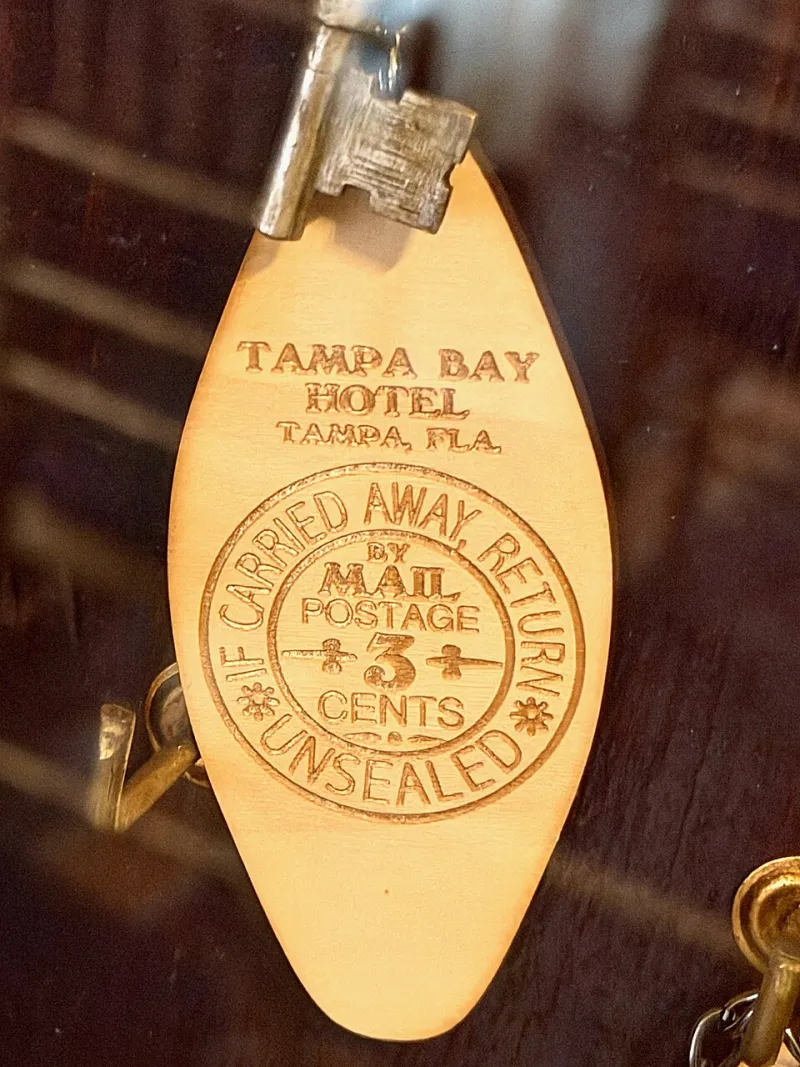
Photo: Oleg Yunakov, CC BY-SA 4.0, via Wikimedia Commons
There is a particular sound a country inn key makes when it lands on a wooden reception desk. Not a beep, not a click, but a soft, dense clunk — brass fob meeting oak, with a little jangle of the ring. It is one of the first honest clues you get about the place you have just booked into, and it arrives before the bedroom door is even open.
Hotels have spent years persuading us that a plastic card is progress. It opens the door, lights the room and occasionally tells the lift you are allowed to be on the third floor. A country inn key does none of that. It is a lump of metal with a number stamped on it, sometimes a handwritten tag, and often a lock that requires a gentle word of encouragement. That is precisely why it tells you so much.
The weight of the thing
Pick up a room key and you are holding a small summary of the inn's attitude. A heavy brass fob with worn edges suggests someone chose it decades ago and has never seen a reason to replace it. A plain Yale key on a thin ring suggests efficiency. A key attached to a piece of driftwood, a miniature horseshoe or a wooden tag cut from a fallen branch suggests an owner with a sense of theatre — which is not a bad thing, provided the theatre does not get in the way of a decent night's sleep.
Weight matters for practical reasons, too. A fob the size of a small handbell is charming until you put it in your trouser pocket and spend the evening listing gently to one side. If you are heading out for a walk, ask whether there is a lighter key for the exterior door or whether the main door is unlocked until a certain hour. A well-run inn will have thought about this. A less well-run one will hand you a lump of cast iron and wish you luck.
What the tag says — and what it doesn't
A handwritten tag is a tiny piece of hospitality. It might give the room name — Bramble, Hayloft, Shepherd's Rest — rather than a number. It might include the breakfast time, the wifi password, or a note to lift the latch before turning. Sometimes it includes a mobile number for late arrivals or an instruction about the front door after dark.
Read it properly before you climb the stairs. Not because the information is complicated, but because the tag is where an inn quietly tells you how it expects the next twelve hours to work. If the tag says breakfast is served from eight until nine-thirty, that is not a suggestion. If it says the bar closes at eleven, plan accordingly. If it says nothing at all, ask. There is no shame in going back to the desk and saying, tell me about this lock before I make a fool of myself at midnight.
The temperamental lock
Old doors have character. Some have a latch that needs lifting. Some have a key that turns only when you push the door gently with your shoulder. Some require you to turn the key towards the window rather than the hinge, which is the sort of detail that makes perfect sense to everyone except the person standing in the corridor at eleven o'clock at night.
The best inns do not leave you to work this out alone. They walk you up, or they demonstrate the trick at the desk, or they say the words every guest wants to hear: it sticks a bit, give it a firm turn. That small warning is worth more than a folder of laminated instructions. It is also a fair test of how the place treats its guests. An inn that has noticed its own awkward lock and warns you about it is an inn that has probably noticed other things too — the loose tap, the draught under the door, the fact that the shower needs a minute to warm up.
The handover itself
Watch the moment the key changes hands. Does the person behind the desk pause long enough to tell you where the stairs are? Do they mention the fire exit, the breakfast room, the fact that the kitchen stops serving at nine? Do they ask whether you need a table booked, or whether you have walked before and know the lanes? None of this needs to be a performance. Some of the best innkeepers are brief to the point of gruffness and still get it right. But the key handover is where efficiency and care either meet or miss each other.
A key is also a small act of trust. You are being given access to a room, a corridor and, in many cases, a shared front door. The inn is saying, in effect, we think you can manage this. In return, it is worth being the sort of guest who does not lose the thing in a hedge.
A small test before you unpack
Try the lock once while the corridor is empty and you are still in a good mood. Work out which way the key turns, whether the door needs a nudge, and whether the key is best kept on the hook by the door rather than in your coat pocket. If you are given a separate key for an exterior door, ask when it is locked and whether you need it after hours. If the fob is heavy, leave it in the room when you go down for dinner, unless the inn has asked you to hand it in at reception.
These are small things. But a country inn stay is made of small things. The key is simply the first one you can hold in your hand.
The key you remember
Months later, you will probably not remember the wifi password. You might not remember the colour of the corridor carpet. But you will remember whether the key felt like a welcome or an inconvenience. You will remember the tag with the room name written in biro, the lock that needed a firm turn, and the innkeeper who said, mind that one, it's older than both of us.
That is the thing about a country inn key. It is not really about security. It is about the moment before the stay begins, when a place hands you a small, heavy object and quietly shows you what it is like. Notice it. Turn it over. Read the tag. Then go upstairs and unpack.