The Second Night Is the Real Weekend: Rethinking the Country Inn Short Break
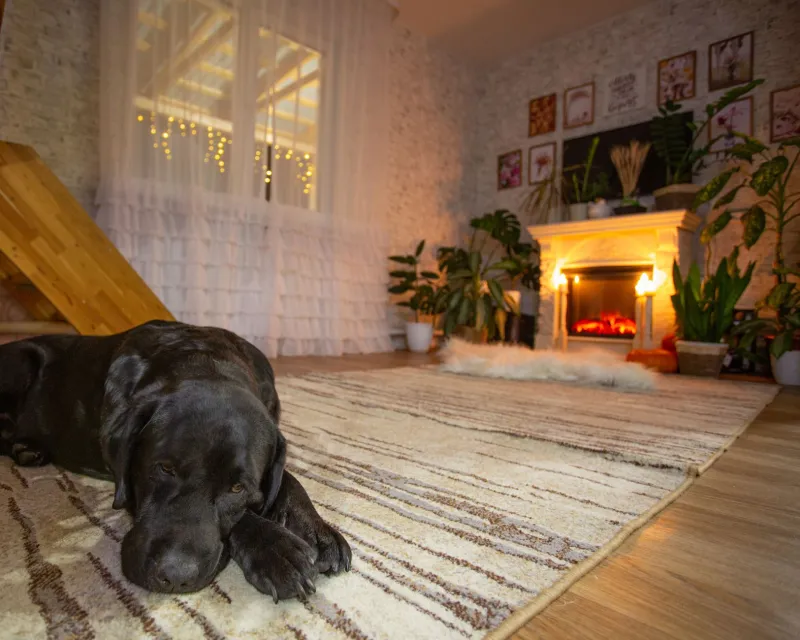
Photo: cosy country inn bedroom fireplace winter UK countryside, via i.pinimg.com
There is a particular kind of optimism that goes into booking a single night at a country inn. You picture the fire, the pint, the long dinner, the morning walk. You book it because it fits. Then you arrive at eight o'clock on a Friday, eat well, sleep, eat breakfast, and drive home wondering where the weekend went.
The stay was fine. The inn was lovely. But it never quite added up. A country inn is not simply a bed for the night; it is a place that rewards a slower rhythm. And that rhythm is almost impossible to find in one night.
The first night is mostly admin
Nobody talks about this part. The first night of any short break is spent arriving. You unpack the essentials, work out where to put the boots, find the bar, ask what time dinner is, and try to shift from motorway mode into fireside mode. It is enjoyable, but it is also a transition.
By the time you have settled, the evening has a gentle urgency to it. You order quickly, you linger over pudding, and then suddenly it is time for bed because breakfast is at eight and checkout is at ten-thirty. The inn has done its job, but you have only just started to relax.
The second night is different. You already know where the good chair is. You know whether the local ale is worth a second pint. You know the walk you want to take tomorrow. There is no admin, no learning curve, no feeling that you are still catching up with your own break.
The walk you skip because you are leaving after breakfast
This is the quiet tax of the one-night stay. You read about a circular walk, a village shop, a viewpoint, a riverside path. You fully intend to do it. Then breakfast arrives, bags need packing, and the car is waiting. The walk becomes a thing you will do next time.
A second night changes the shape of the day. You can have breakfast without watching the clock. You can walk for two hours, stop for a pub lunch, and come back with muddy boots and no sense of urgency. You can visit the market town, the garden, the little museum, or simply sit in the bar with a book while the rain does its thing outside.
That is not indulgence. It is the point of going away.
What the rate card is really telling you
One-night stays are often priced for convenience. Two-night stays are often priced for rhythm. That difference matters when you start comparing room rates.
A room-only rate tells you what the bed costs. It does not tell you what the break costs. Add dinner, breakfast, drinks, parking, and the fuel for the drive home, and the total starts to look different. A dinner, bed and breakfast package can look higher at first glance, but it often bundles the parts you were going to pay for anyway. The trick is to compare the full total, not the headline room rate.
Ask what the dinner allowance actually covers. Check whether breakfast is included for both mornings. Look at the cancellation terms, the minimum-stay rules, and any single-occupancy supplement. A cheap first night can be less cheap if the second night is priced awkwardly or if you have to move rooms.
This is not about chasing the lowest number. It is about reading the rate honestly. A midweek two-nighter at a country inn often works out better per night than a Saturday-only stay, and it gives you a whole extra day that you would otherwise spend driving.
How to stretch a midweek two-nighter
The good news is that the second night does not have to stretch the budget. It mostly requires a bit of flexibility.
Start with the days. Sunday to Tuesday, or Tuesday to Thursday, is usually kinder than Friday to Sunday. You will often find a quieter inn, a slower breakfast, and a rate that reflects the fact that you are not competing with the weekend rush.
Then look at the room. The smallest, cosiest room is often the best value at a country inn. You are not there for square footage. You are there for the fire, the food, and the walk. Ask directly whether the second night can be added at the same rate, or whether a package works out better than two separate bookings.
Plan one proper meal and one casual one. A dinner, bed and breakfast package on the first night, then a pub lunch or a picnic on the second day, is often a better use of money than two heavy dinners. It also leaves room for the thing that makes a country break feel generous: a long, aimless afternoon.
And leave the itinerary light. One walk, one village, one good lunch. A two-night stay does not need to be packed. The extra day is there to be used slowly.
The bit people remember
When guests talk about a country inn break, they rarely mention the rate card. They mention the fire being lit when they came back from a walk. They mention the second pot of coffee. They mention not having to rush away after breakfast.
That is what a second night buys you: permission to stop. Permission to take the longer route back. Permission to stay for lunch. Permission to do nothing at all.
At Whitehouse Country Inn, we think a short break should feel like a break, not a relay race. One night can be lovely. Two nights are where the weekend actually begins.