The Wet Dog Test: Choosing a Country Inn That Actually Welcomes Your Hound
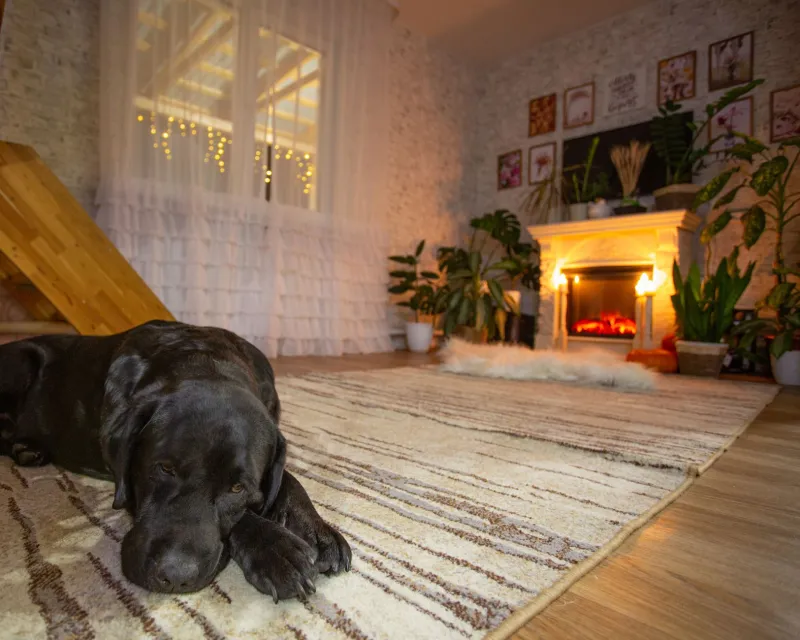
A dog is not a piece of luggage with a wagging tail. Yet the phrase dog-friendly can mean anything from a genuine welcome to a bowl of water that has seen better days. The best country inns make a dog feel like a guest rather than a tolerated accessory — and the clues are usually there before you book, if you know where to look.
Read the entrance before the reviews
Start with the practical stuff. A genuinely dog-friendly inn tends to have a route in that does not involve tiptoeing across a cream carpet. Look for flagstones, a boot room, a towel by the door, maybe a jar of treats on the bar. These are small things, but they tell you the place expects wet paws and muddy boots rather than merely permitting them.
Reviews can help, though they need reading between the lines. One person's charmingly relaxed pub is another person's chaos. Search for mentions of the bar rather than the bedrooms, and look for remarks about where dogs were allowed to sit. If every review says the dog was made a fuss of in the bar but not a word about the dining room, that is a useful hint. It may mean the inn has a sensible split between dog-friendly and dog-free spaces — or it may mean nobody asked.
The dining room question nobody asks
This is the detail that catches people out. Some inns welcome dogs in the bar but not in the restaurant, which is perfectly reasonable and often makes for a calmer meal for everyone. Others allow dogs everywhere, which is lovely if your dog is the sort to curl up under the table and stay there. The mistake is assuming.
Ask directly: where can the dog sit during dinner and breakfast? If the answer is the bar, check whether you can eat there too. Many pubs serve the full menu in the bar, which can be the better option anyway — more bustle, more room for a dog bed, less worry about a tail sweeping the cutlery. If the inn has a dog-free dining room, do not see it as a snub. It can be a blessing for guests with allergies or a nervous disposition around animals, and it often means the dog-friendly bar is properly set up rather than merely tolerant.
Walks from the door matter more than a nearby field
A dog-friendly inn is only as good as the walking on its doorstep. A field next door is nice; a network of footpaths straight from the car park is better. Ask whether there is a short loop for a late-night leg-stretch and a longer route for the morning. In the Dales, the Lakes or the Scottish Borders, the answer is usually yes, but the details matter: stiles, livestock, lead rules and whether the path turns into a bog by November.
Good inns often keep printed route cards behind the bar, or at least have someone who can sketch a reliable loop on the back of a beer mat. A hose outside, a drying room and a stack of old towels are the holy trinity of a proper walking inn. If your dog is going to come back muddy — and in a British winter, it will — you want somewhere to deal with that before you head upstairs.
What the nightly charge actually buys
Many country inns charge for dogs, often somewhere between ten and twenty pounds a night. That is fine, but it is worth asking what the charge covers. A bed, a bowl, a towel and a treat are a different proposition from a blanket and a vague promise. Some places include a doggy breakfast or a welcome pack; others simply add a cleaning fee.
Check the fine print on size and numbers, too. A pair of Labradors may be welcome while a single Great Dane is not, or the other way around. Ask whether dogs are allowed in all rooms or only a few, and whether there are rooms kept dog-free for guests with allergies. If you are booking a winter break, confirm that the dog can be left alone in the room — many inns sensibly say no, which is a good sign. It means they have thought about barking, chewed furniture and other guests.
Pub etiquette for dogs and their people
A warm welcome is not a licence to let your dog run the bar. Keep the lead on unless you are told otherwise, especially in tight spaces. Ask before letting your dog approach another dog, however friendly both parties seem. Do not let your dog on the furniture unless the inn invites it, and do not feed it from the table, even if the sausages are excellent. A tired dog is a good pub dog, so a decent walk before dinner is part of the etiquette too.
If your dog is nervous or noisy, be honest with yourself about the setting. A bustling Friday-night bar may not be the kindest choice. A quiet corner on a Tuesday, with a fire and a bowl of water, is often the better holiday for everyone.
The questions to ask before you reserve
Before you book, run through the essentials: which rooms accept dogs; where the dog can sit at meals; what the charge covers; whether there are walks from the door; if the dog can be left alone; and where the nearest vet is. A good inn will answer these without huffing. A great one will have thought about them already.
The right country inn is not the one with the most dog biscuits. It is the one where both of you can exhale — boots off, lead unhooked, fire lit — and settle in for the evening.