The Midweek Barometer: How a Village Pub Night Helps You Choose the Right Inn
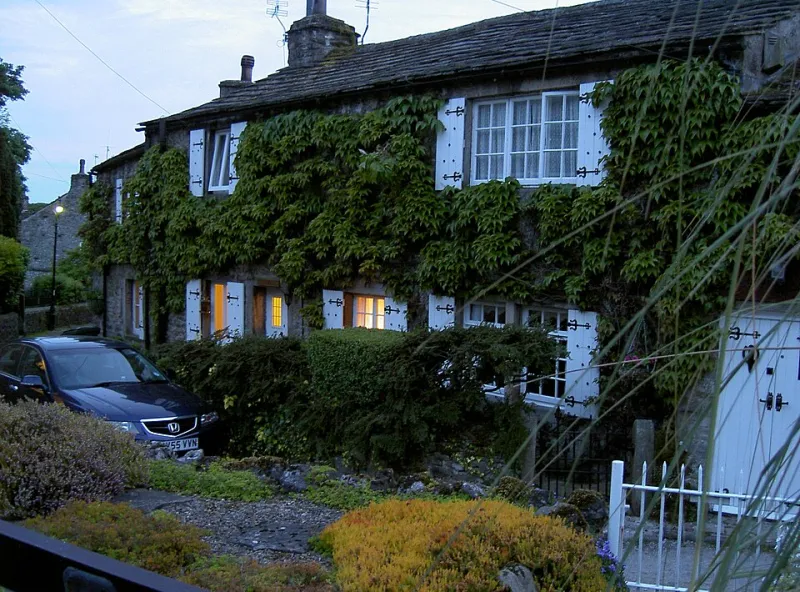
Photo: Neil Owen , CC BY-SA 2.0, via Wikimedia Commons
Most of us book a country inn the same way: a few photos, a menu, a clutch of reviews, then a hopeful click. But if you want to know whether you’ll actually feel welcome, the most useful clue often isn’t on the inn’s website at all. It’s in the village diary, on a damp Thursday in November, when the quiz team is settling into the corner and someone is trying to remember whether it’s five points for a Shakespeare question or ten.
A midweek pub night is a quiet barometer. It tells you how an inn behaves when it isn’t dressed up for the weekend. And if you’re planning a rural escape, it’s worth reading before you book.
Why Thursday says more than Saturday
Saturday night is a performance. The bar is busy, the kitchen is under pressure, and everyone is on their best behaviour. That’s fine, but it doesn’t tell you much about the everyday character of a place.
Thursday is different. It’s habit. The regulars turn up because it’s what they do. The quizmaster arrives with a carrier bag of pens. Someone’s dog falls asleep under a table. A couple of walkers who misjudged the light may be drying their coats by the fire. If an inn is part of village life rather than just near it, this is when you see it.
That matters for a booking decision. You’re not just choosing a bed and a dinner. You’re choosing a place to land for a night or two, and the midweek atmosphere is a good guide to how the welcome will feel when the weekend circus has packed up.
Check the calendar, not just the booking page
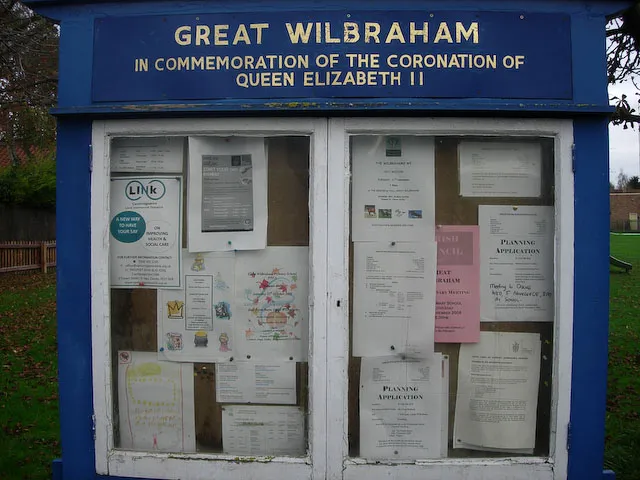
Start with the inn’s own what’s-on page, but don’t stop there. Village newsletters, parish websites, local Facebook groups and the noticeboard outside the shop often carry the real social diary. Look for recurring events rather than one-off jollities: a Thursday quiz, a monthly folk session, a darts team, a book club in the back room.
A recurring event is a small sign of stability. It suggests the pub has a role beyond selling Sunday lunches to visitors. It also gives you something to build a break around — and a reason to book a night when the rates are often kinder.
If the listing is vague, ask. A short email saying, ‘Is the Thursday quiz still running, and can a couple of visitors join a team?’ will tell you plenty. The answer’s tone matters as much as the content. A warm ‘yes, come along, we’ll find you a team’ is a good sign. A blunt ‘not really, it’s just locals’ is useful information too.
Reading the room: regulars, visitors and the honest welcome
The best sign is a mixed bar. Not a coach party, not a closed circle of regulars who all turn to look when you open the door. A good village pub on a quiz night has a bit of everything: people who live up the lane, people staying in the village, maybe a couple of walkers who came for the fire and stayed for the chips.
You’re looking for small acts of inclusion. The bar staff explaining how the quiz works. A regular shifting a coat off a chair. Someone asking if you want to join their team because they’re short of a geography person. These are not grand gestures, but they tell you the inn knows how to hold a room.
Don’t overinterpret one odd night. A quiet Thursday in February can feel different from a bustling one in October. But if the inn advertises local events and the village calendar backs it up, you’re probably looking at a place with roots.
Build a quieter break around a proper local event
This is where the midweek pub night earns its keep. Instead of the usual Friday-to-Sunday dash, try Thursday to Friday or Thursday to Saturday in the off-season. Arrive in the afternoon, take a short walk while there’s still light, then ease into the evening. The quiz starts at eight. You have a pint, you lose badly on the picture round, and you wake up to a proper breakfast rather than a motorway services coffee.
Off-season rates are often gentler, and the village is less crowded. You get the inn as a living place rather than a weekend machine. Just check the practical bits: whether food is served during the quiz, whether teams need to be booked, and how far you’ll be walking back in the dark. A torch is not a bad idea in a rural village.
And be a good guest. Buy a round. Join in. Don’t treat the locals as part of the décor. The point is not to audit the pub like a mystery shopper; it’s to enjoy a proper night out and learn something while you’re there.
A low-stakes interview
A village pub night won’t tell you everything about an inn. The bed might still be lumpy, and the shower might still have two temperatures: cold and volcanic. But it will tell you whether the place has a pulse. If the bar feels right on a damp Thursday in November, with a quiz sheet curling at the edges and someone arguing about the correct spelling of a Roman emperor, it’ll probably feel right for a weekend too.
Choose the inn that’s part of the village, not just near it. The quiz is as good a place to start as any.