Above the Bar or Out the Back? Choosing the Right Room in a Country Inn
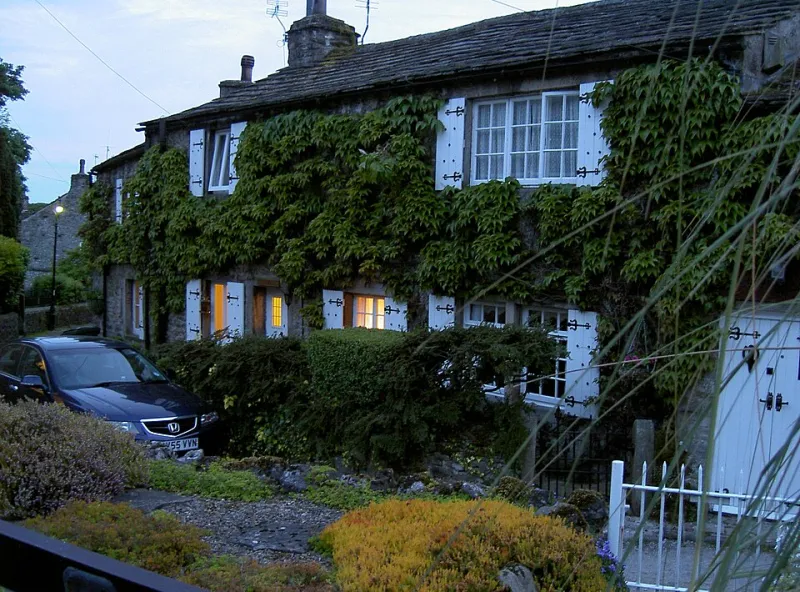
Photo: Jo Turner, CC BY-SA 2.0, via Wikimedia Commons
There is a particular moment, about twenty minutes after you take the key, when you realise whether you have chosen well. You climb the stairs, open the door, drop the bag on the luggage rack, and then just stand there listening. Below you, a chair scrapes. Somewhere a till drawer shuts. Through the window, a church tower and not much else. That listen-at-the-door moment is the whole art of picking a room in a country inn, and it's worth thinking about before you book rather than after.
Most rural pubs with rooms aren't offering one single product. They're offering three or four subtly different ones, and the rate on the website rarely tells you which is which.
Three Kinds of Room, Three Different Nights
Broadly speaking, you'll be offered a room in the main house — often along a landing above the dining room, sometimes with a four-poster and a window over the village green. Then there's the room directly over the bar, which is what this piece is really about. And then there's the annexe or courtyard outbuilding: a converted stable block, a barn, a row of rooms across the gravel with their own front doors and a decent chance of underfloor heating.
All three can be lovely. None of them is automatically the compromise option, and none is automatically the best. They just suit different people on different trips.
The Case for Sleeping Over the Bar
Let's start with the one people instinctively worry about. A room above the bar is often the oldest, quirkiest and warmest in the building — low beams, uneven floors, a sash window that rattles a bit in the wind. In winter it's hard to beat: you come in from a walk in the dark, the fire is going downstairs, and your bed is forty seconds away.
The secret that regulars know is that a village pub bar is usually louder at half six than at half ten. By closing time the crowd has thinned to four people and a dog. The building itself does the rest — thick old walls, a stout ceiling. Plenty of people sleep over the bar and hear nothing at all beyond a faint murmur, then wake to the sound of someone opening up and the smell of bacon.
Where it goes wrong is when the room sits over the wrong part of the bar. Above the fruit machine. Above the function room. Above the corridor to the loos. Above the kitchen extractor, which can hum like a distant aircraft until midnight. None of this is visible from a listing photograph.
What to Ask Before You Take the Key
A short phone call or a note in the booking comments will get you most of the way. Ask plainly:
- Which room is directly below? "Over the bar" could mean over the snug or over the door where the smokers gather.
- Is there a function on that night? Weddings, quizzes, live music, a birthday party in the back room — the inn knows its diary months ahead.
- When do deliveries arrive? Brewery drays, keg drops and bottle bins are the classic 7am alarm call in a country inn. If you're a light sleeper and the yard is under your window, ask.
- Do you keep a residents' bar open? Some inns serve residents after hours. Charming if you want it, less so if the room is above it.
- How are the stairs? Old inns have steep, narrow, winding staircases, low beams at the top and no lift. If you're carrying a heavy case or have a knee that complains, ask whether there's a ground-floor room in the annexe instead.
- Which way does the room face? An east-facing window in June means light at half four. Ask about curtains — proper blackout or a thin linen panel that looks lovely and does nothing.
- Where is breakfast served, and how far? This is the question nobody asks and everybody regrets. Across a courtyard in February is a different proposition to down one flight of stairs.
Rooms Out the Back: The Quiet Option
Annexe rooms and courtyard conversions are often the newest part of an old building. Expect better bathrooms, more space, easier access and considerably less atmosphere. You'll walk to the bar rather than fall down to it, and in the rain you'll feel that walk.
But for a light sleeper, a family with a toddler, or anyone arriving late and leaving early, they're frequently the better room. The trade is simple: you give up creaky character and gain a proper night's sleep. Some inns have covered walkways or an umbrella by the door; ask.
Matching the Room to the Trip
A solo midweek night with a book and a pint? Take the room over the bar. Half the pleasure is being in the middle of it.
A long-planned anniversary, or the first proper break since a baby? Ask for a main-house room away from the bar, and mention why — innkeepers are generally good at this.
A winter weekend of walks and fires? Over the bar, without question. It's the cosiest square footage in the county.
A July stay when the windows will be open? The courtyard, or a room on the quiet side away from the yard.
The Eight O'Clock Test
The real measure of a room isn't the noise at eleven. It's how the place feels at eight the next morning, when the pub is empty, the chairs are up and someone is quietly laying tables. A good inn is at its best in that hour: coffee, a bit of radio, a dog asleep by the door, your boots drying where you left them.
Get the room right and that hour belongs to you. Get it wrong and you'll be the one who knows exactly what time the bottle bank gets emptied. Ask the questions, and let the inn put you in the right corner of the building.