The Voice at the Other End: What a Quick Call Tells You About a Country Inn
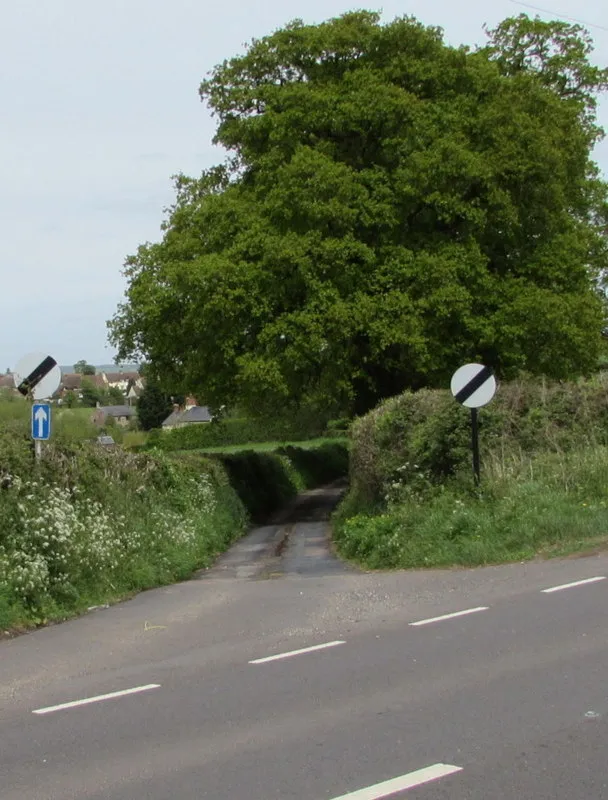
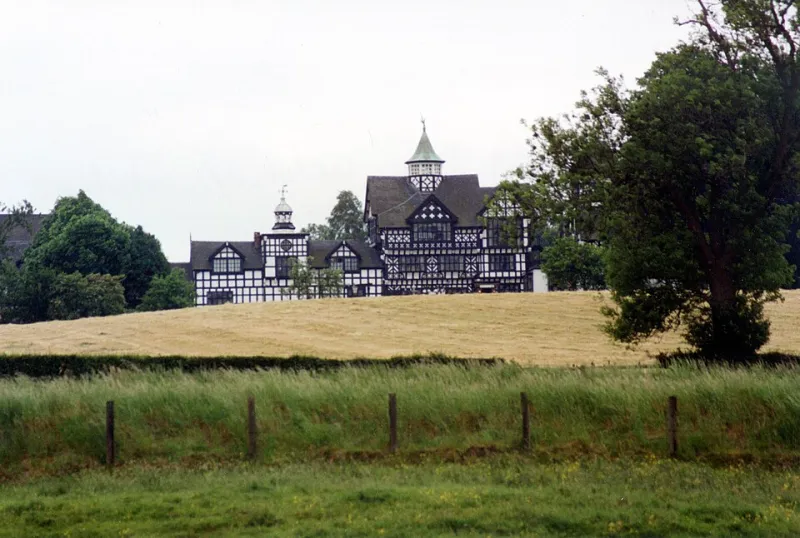
Photo: Jaggery , CC BY-SA 2.0, via Wikimedia Commons
There is a particular kind of quiet on a country inn's booking page. Photographs of a fire, a copper bath, a pub sign against a sunset. A calendar with dates greyed out. It is all very smooth, and it tells you almost nothing about what your weekend will actually be like.
So we'd make a small case for the unfashionable option: pick up the phone. Not to haggle, not to demand a discount, but to have a two-minute conversation with the person who will be putting the key in your hand. It is the single most useful piece of booking research available, and it costs nothing but a bit of nerve.
Why the listing page can only get you so far
Booking platforms are built to standardise. Every inn gets the same fields, the same tick-boxes, the same thumbnail of a bed. That means a sixteenth-century coaching inn with sloping floors and a low beam over the bath ends up looking identical to a purpose-built annexe behind a gastropub.
The person answering the phone knows the difference. They know that room three is directly above the bar and that Friday nights there are lively until eleven. They know the kitchen stops at half eight, not nine. They know the footpath at the bottom of the car park is impassable after heavy rain in February, and that the lane into the village has no pavement for the last hundred yards.
None of that is on the website. A short call surfaces all of it.
Start with the room, because the room is where you'll sleep
Ask which room you're being offered and where it sits in the building. Above the bar? Over the kitchen extractor? In a converted barn across the yard, which means a torch and a coat for the walk back after dinner? There's no wrong answer here — some people love the annexe for the quiet, others want to be at the heart of things — but you want to know which one you've bought.
Then ask about the bathroom. Bath or shower only, and is it over the bath or a walk-in? It's a dull-sounding question that has saved a great many people a great deal of grumbling.
If you're travelling with someone who can't manage stairs, say so plainly and early. "Are there steps up to the front door? How many?" Innkeepers are usually refreshingly honest about this, because they'd rather tell you now than watch you struggle with a suitcase at nine at night.
Nail down the kitchen hours before you commit
This is the question that separates a lovely weekend from a scrappy one. Country inn kitchens keep village hours. Lunch might run from twelve to two and no later. Dinner could finish taking orders at eight, and on a Monday it might not open at all.
So ask: what time is the last sitting on the night we're arriving? Is food served in the bar as well as the dining room? If we're running late, is there any chance of a plate kept back? Some places will say yes without hesitation. Some will say no, and mean it. Both answers are useful — one tells you to leave earlier, the other tells you to stop for a sandwich on the way.
It's worth also asking whether the pub is open between lunch and dinner. A locked door at three in the afternoon in a village with one bus a day is a thing you want to know in advance.
Ask what you can walk to from the door
"What's the walking like straight from the pub?" is a question that will light up the right kind of innkeeper. The good ones will tell you about the two-mile loop to the church, the riverside path that floods, the proper hill route that needs boots and an Ordnance Survey sheet, and whether there's a bench at the top.
You'll hear a great deal in the way they answer: whether they walk it themselves, whether they keep spare maps behind the bar, whether they'll lend you a walking pole. Someone who says "oh, there's a footpath somewhere" is telling you something too.
Dogs, boots and other practical matters
If you're bringing a hound, be specific. Which rooms take dogs? Is there a charge, and how much? Are dogs allowed in the bar but not the dining room, or everywhere? Is there somewhere to hose off muddy paws?
Then the small things that make a big difference in wet weather: is there a boot room or a drying rack? A place to leave a pushchair? Somewhere secure for a bike?
The late arrival question
Trains run late. The M5 closes. A three-hour drive turns into five. So ask, calmly: "What happens if we arrive after the bar closes?"
The answer reveals a lot about how the place is run — a key safe and a code texted over, a note taped to the door, a landlord who simply says to ring and he'll come down. All fine. What you don't want is a pause long enough to suggest no one has thought about it.
Reading the answers, not just hearing them
Here's the part that no form can replicate. Listen to whether the person asks you anything back. "Are you coming for a birthday?" "Do you want the quieter room?" "How old's the dog?" An innkeeper who is curious about you is usually an innkeeper who'll notice you when you arrive.
Listen, too, for volunteered information. If they mention, unprompted, that the village hall has a market on Saturday mornings, or that the neighbouring pub does a decent pint but doesn't feed anyone, you're speaking to someone who wants you to have a good time in the place as a whole — not simply to fill a bed.
And note whether they say "I'll check and ring you back" or "no". Both are honest. Only one wastes your afternoon.
When the call tells you to look elsewhere
Occasionally the conversation goes the other way. The phone rings eleven times. You're rushed through. You ask about walking routes and get a sigh. The room you'd seen online has mysteriously become a different room at a different price.
None of that is a disaster — it's a gift. You have discovered, in four minutes and at no cost, exactly what the welcome is likely to feel like. Better to know now than at half past nine on a Friday with the bags still in the boot.
So before you press book, ring. Ask five ordinary questions. Listen for the sixth thing they tell you without being asked. That, more than any star rating, is the filter worth trusting.