Before You Book That Rural Bolthole, Ask These Twelve Things
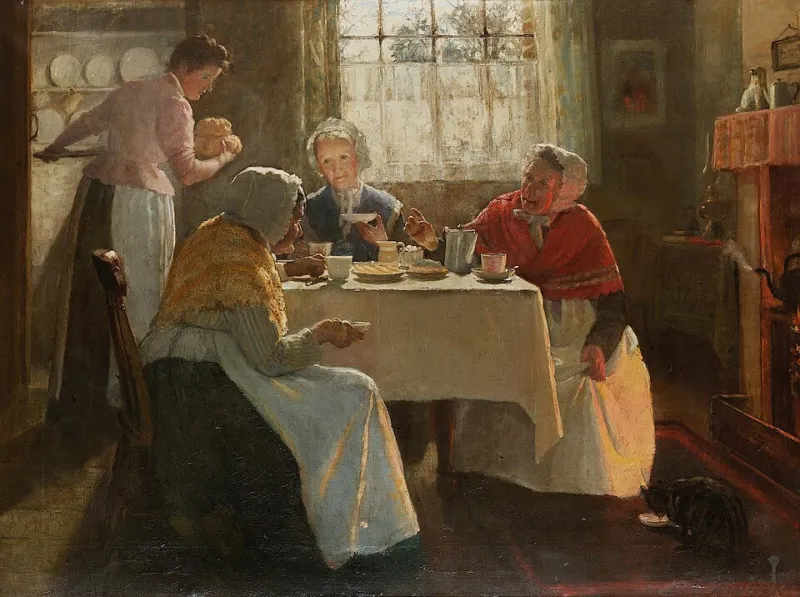
Photo: Mary Evelina Kindon (British, 1849 - 1919), Public domain, via Wikimedia Commons
Country inns are sold on atmosphere. A low beam, a log fire, a pint glass catching the light, and suddenly you are reaching for your card. That is fair enough. Mood matters. But mood is not the same as a good stay, and a glossy booking page will rarely tell you whether the bed is comfortable, the kitchen actually cooks with the seasons, or the lane outside turns into a river in February.
The good news is that most innkeepers would rather you ask than arrive with the wrong expectations. A decent country pub with rooms is not a hotel trying to hide its workings; it is a small, practical operation, and the people behind it usually enjoy talking about what they do. Here are twelve questions worth putting to the phone or email before you book. None of them are tricks. They are simply the things that separate a lovely idea from a lovely weekend.
Start With the Kitchen, Not the Carpet
1. Where does the menu actually come from? Ask which farms, bakeries or producers feature, what is in season, and how often the menu changes. 'Local' can mean the next village or it can mean a distribution centre 90 miles away. A kitchen that can name a few suppliers is usually a kitchen worth trusting.
2. What is the kitchen doing on the day I arrive? A country inn may serve a cracking Sunday roast and then close the kitchen on Monday. Ask about food times, last orders and whether the bar serves anything at all on your arrival day. It is better to know before you are driving around dark lanes looking for crisps.
3. Can I see the current menu and prices? Websites go stale. Ask for a photo of the current menu or a PDF. Check for vegetarian and gluten-free options if you need them, and look at the prices for the whole meal rather than just the mains. A short, changing menu is often a better sign than a laminated book of everything.
Ask About the Walk Before the Welcome
4. Is there a decent walk from the door? Not a drive, not a short stroll around the car park. Ask whether there is a footpath nearby, whether it makes a sensible circular route, and whether the inn has printed directions. If you rely on an Ordnance Survey map, check the nearest public footpath before you book.
5. What is the lane like in bad weather? Single-track roads, floods, ice and unlit verges are part of rural life. Ask whether the approach is gritted, whether parking is on site, and whether a taxi will actually come out that far. In winter, this is not a fussy question. It is the difference between a relaxed arrival and a white-knuckle one.
6. Where do wet boots and coats go? A proper boot room or drying space tells you a lot about how an inn sees walkers. If you are arriving with muddy trousers and a soggy dog, you want to know there is somewhere sensible to leave it all. Ask before you lug everything up to a carpeted bedroom.
Dogs, Doors and Deep Sleep
7. What is the dog policy in plain English? Are dogs allowed in the bar, in bedrooms, or both? Is there a charge? Are they allowed at the table while you eat? If you are not bringing a dog, ask whether the inn is dog-friendly anyway. Some people love it; others would rather eat without a wet spaniel under the next table.
8. Which rooms are genuinely quiet? Ask for specific room names, not vague reassurance. A room above the kitchen, beside the road or under the church bells may be charming in the photos and less charming at 6am. If you are a light sleeper, say so and ask where they would put you.
9. Can you describe the room without the marketing adjectives? You do not need a floor plan, but you do need to know whether the bed is a standard double or a king, whether the bathroom has a shower over the bath, and whether the room looks over the yard or the valley. Ask for a practical description, not a mood board.
The Small Print That Makes a Stay
10. What time can we arrive and leave, and can we park? Early check-in is rarely guaranteed, but many inns will let you leave the car while you walk. Ask whether you can arrive before check-in, whether the car can stay after checkout, and whether late arrival is genuinely manageable.
11. What is breakfast, and when is it served? A cooked breakfast made to order is a fine thing. A lukewarm buffet under a heat lamp is not. Ask about serving times, whether early breakfast is possible, and whether there is anything for anyone who does not eat a full cooked plate.
12. What happens if we need to change our plans? Deposits and cancellation terms matter more in rural places, where a small inn may hold a room for you and turn away other bookings. Ask about the deposit, the cancellation window and what happens in bad weather or travel disruption. A clear answer now saves an awkward conversation later.
The Questions Behind the Questions
You are not trying to interrogate anyone. You are trying to find the inn that fits the weekend you actually want. A good innkeeper will answer directly, maybe with a caveat or two, and will tell you if the walk is muddy, the kitchen is closed or the dog is welcome only in the bar. Vagueness is information too.
Book the place that answers as if they would like you to come, not as if you have interrupted them. The fire will still be lit when you arrive. You just want to know that everything behind it has been thought through.