Boots, Bags and Bar Lunches: Planning a Car-Free Inn-to-Inn Walking Weekend
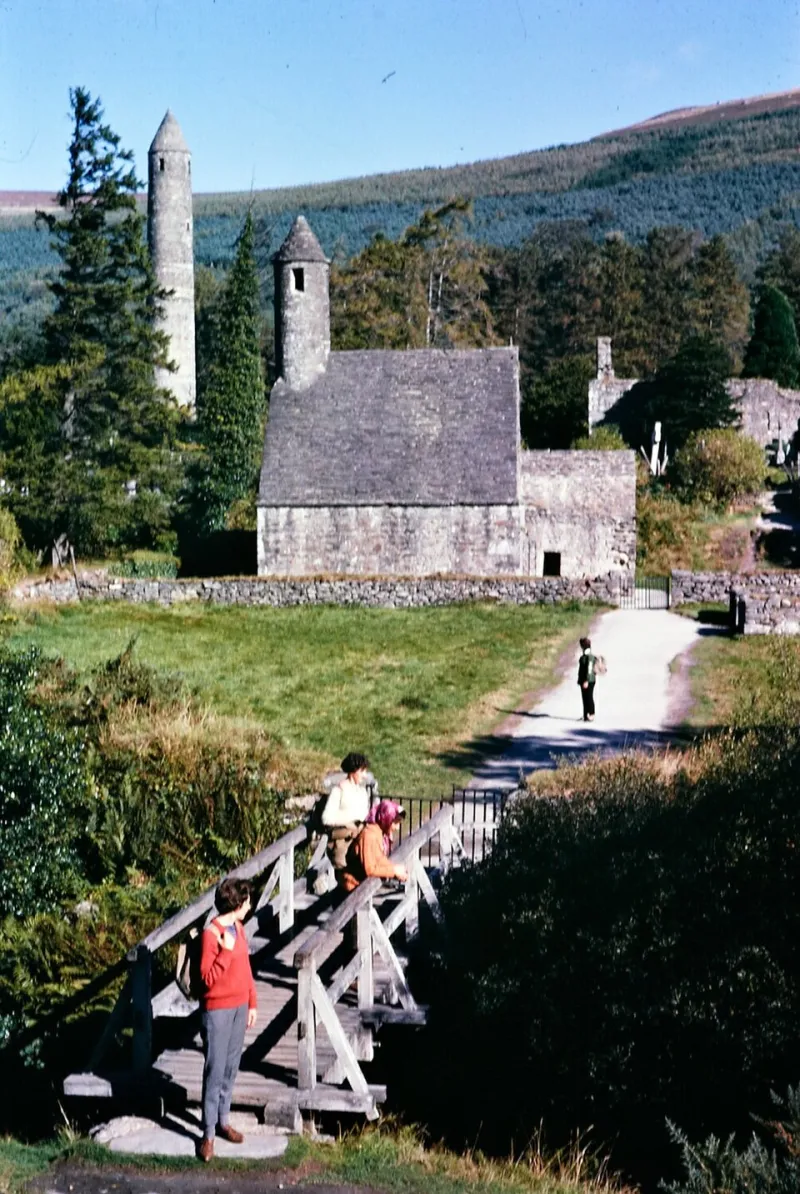
Photo: National Library of Ireland on The Commons, No restrictions, via Wikimedia Commons
A walking weekend where the car stays at home sounds lovely until you start thinking about wet boots, luggage and the last train. Then the appeal can fade. The good news is that the UK is well supplied with linear routes, village inns and local transfer firms. With a bit of planning, the inns can do the heavy lifting while you do the walking.
At Whitehouse Country Inn, we like the idea of a break where the only timetable that matters is the one pinned to the bar. But a car-free inn-to-inn trip still needs structure. Here is a practical guide to building one that works.
Choose a Linear Route, Not a Loop With a Car Park
The first decision is the shape of the walk. A linear route is usually better than a loop because it gives you a reason to move from inn to inn. Look for a stretch of a National Trail, a long-distance path, or a well-linked network of footpaths between two villages with railway stations at either end.
Aim for six to nine miles a day unless you are a seasoned long-distance walker. In winter, go shorter. Daylight is limited, paths are muddier, and a route that feels brisk in June can feel endless in November. Check the terrain, the total ascent and the number of stiles. Check, too, whether the path runs along roads. A little road walking is fine; a lot of it is miserable.
Use Ordnance Survey maps or a reliable walking app, and carry a paper backup. Do not rely on mobile signal in valleys. If you are new to the area, buy the relevant OS map before you go and spend an evening tracing the route. It is part of the pleasure.
Let the Inns Do the Heavy Lifting
The best inn-to-inn weekends are built on small practicalities. A boot room, a drying room, an early breakfast, a packed lunch, a dinner booking and a bag transfer can turn a soggy slog into a proper holiday. The trick is to confirm all of it before you book, not on the morning you arrive.
Ask each inn the same set of questions. It saves confusion and makes comparisons easier. If an inn cannot help with one thing, it may know a local firm that can. Country innkeepers are usually a good source of local knowledge, especially when it comes to taxis, transfers and the weather.
Sort the Luggage Transfer Early
Luggage transfer is the piece people leave too late. Many walking regions have local firms that move bags between inns, but they need notice. Book early, especially at weekends and in peak season. Confirm exactly when bags will be collected and when they will arrive. Keep your walking essentials with you: waterproofs, water, snacks, map, medication and a change of socks.
Pack one small bag rather than several. A soft holdall is easier to transfer than a hard case. Label it clearly. If a transfer firm is not available, ask the inns whether they can recommend a local taxi for the bag hop. Some inns will store bags for a few hours, but do not assume it.
Pace the Walking and the Pub Stops
A bar lunch is one of the great pleasures of a walking weekend, but it can also be the thing that derails the afternoon. A heavy lunch and two pints will make the second half of the walk feel considerably longer. Order sensibly. One drink, a sandwich and a sit-down is usually enough. Save the proper meal for the evening.
Check pub food times before you set out. Many rural pubs stop serving between two and five, and some close on Mondays. Carry snacks even if you plan to eat. A handful of nuts and a flask of tea can rescue a walk when the pub is shut.
Plan to finish before dark. In winter, that means starting early and keeping lunch short. Carry a headtorch just in case. It is not pessimistic; it is practical.
The Pre-Booking Checklist
Before you commit to an inn-to-inn route, ask each inn these questions:
- Do you have a boot room or drying room?
- Can you provide a packed lunch, and what notice do you need?
- What time is breakfast, and can it be earlier on walking days?
- Is dinner available for residents, and do I need to book?
- Are you open on the day I arrive, including Monday?
- Can you store bags before check-in or after check-out?
- Do you work with a luggage transfer firm, or can you recommend one?
- What is the nearest railway station, and how much is a taxi?
- Is there a shop nearby for snacks and essentials?
- What is the wet-weather alternative if the route is flooded?
That last question matters more than people expect. A low-level riverside path can be impassable after heavy rain. Ask the innkeeper which lanes stay walkable in bad weather. They will usually know.
A Sample Car-Free Weekend
Here is one shape that works well. Take a Friday train to the first village and stay the night. On Saturday, walk eight miles to the second inn, with a packed lunch and a short pub stop. On Sunday, walk five miles to a station and take the train home. Two inns, two walks, no car.
If that feels too ambitious, shorten the Saturday walk and add a taxi hop. The point is not to prove anything. The point is to arrive at the second inn with enough energy to enjoy dinner.
Wet Weather Is Not a Disaster
Pack waterproofs, spare socks, a dry bag and gaiters if you have them. A wet walk is much more enjoyable when you are not worried about your bag. Bring a small towel for the car or train home. Check the forecast, but do not cancel at the first sign of rain. Country inns are built for wet walkers.
A car-free inn-to-inn weekend is not complicated, but it is detailed. Choose a sensible route, confirm the small things, and let the inns look after the rest. Then all you have to do is walk, eat and sleep. That is the whole point.