Mud on the Boots, Parsley on the Board: Judging a Country Inn by Its Working Garden
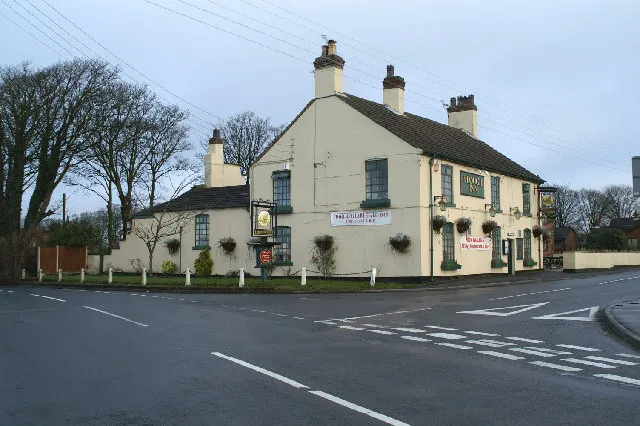
Photo: David Long, CC BY-SA 2.0, via Wikimedia Commons
There's a herb pot on the windowsill of nearly every country inn in Britain, and it tells you almost nothing. Supermarkets sell them for the price of a pint, they last about a fortnight, and the kitchen can pick up a replacement on the way in. A working garden is a different animal entirely. It has mud on it.
That's the thing to hold on to if you're using a kitchen garden as a booking clue. The pot is decoration. The plot is a commitment — somebody has to dig it, sow it, net it against the pigeons, water it in July and pick it before service. Where that commitment exists, it tends to show up on the plate. Where it doesn't, the word "garden" lives in the marketing and nowhere else.
What a real plot actually looks like
You're not looking for prettiness. You're looking for use. A working kitchen garden in late November is a slightly scruffy place: cavolo nero standing through the frost, leeks sulking in a raised bed, a polytunnel with one panel patched, a compost heap that has clearly been turned this decade, and a square of bare ground where the beans were. There'll be tools that look handled rather than styled. There may be a chalkboard listing the morning's pickings — and the list will be short, because it's November.
A flawless run of clipped box, lavender and one lonely rosemary bush is landscaping. Lovely, but it isn't feeding anyone. The test is simple: does this plot look like it's supplying a kitchen, or framing a photograph?
Three questions that cut through the marketing
You don't need to interrogate anybody. A friendly question at the bar or in your booking email will do, and the answer is usually revealing.
"Who does the gardening?" If you get a name — the chef, the landlord's dad, a neighbour who swaps veg for a Sunday lunch — that's a good sign. If it's "we have a gardener" and nothing more, follow up with what's in the ground this week.
"What's coming out of it at the moment?" In February, an honest answer mentions stored squash, kale, leeks, maybe forced rhubarb. In August it'll be a glut of something and mild apology in the voice. If someone promises tomatoes and strawberries in January, you've learned something useful about how the rest of the menu is described.
"Is anything on tonight built around the plot?" Note the phrasing. Asking "do you have a kitchen garden?" invites a yes. Asking which dish depends on it invites a real answer. A shrug is also an answer.
The glut problem, and why honesty is the best garnish
Anyone who's grown runner beans knows the truth about kitchen gardens: they don't produce a balanced menu, they produce gluts followed by gaps. A good inn doesn't hide this. It puts chard on three ways in September, turns the green tomatoes into chutney in October, then puts the beds to bed and buys from a greengrocer in January without pretending otherwise.
That honesty is what you're really reading for. A kitchen relaxed enough to say "the garden's finished for the year, this is from a farm down the lane" is a kitchen that isn't inventing provenance. The phrase to treat with caution is "locally sourced where possible", standing alone with nothing behind it. Provenance claims are easy to make; a garden gate is one of the few clues you can check with your own eyes.
There's a middle ground worth respecting, too. The herb bed by the door, the apple tree in the car park, the blackberries a member of staff picked on the lane in September and turned into a crumble. Small, real, seasonal. It doesn't need a polytunnel to count.
How the garden should shape your booking
If a plot does exist, say so when you book — lightly, not fussily. "We'd love a table near the garden if one's free" costs nothing. In summer, ask whether there's a bench you can take a drink out to before dinner. Ask whether the kitchen does a garden wander or a short talk on a quiet afternoon; some do, and it's one of the better ways to spend an hour before a late lunch.
Time your visit to the seasons you actually care about. Late spring for asparagus and the first soft leaves. High summer for the glut and the smell of the tunnel. September for tomatoes and the last of the fruit. And winter for the stored, pickled and preserved stuff — which is its own kind of cooking, and often the more interesting one.
When the gate is shut
A locked garden isn't fatal. Plenty of excellent country inns buy brilliantly from growers a few miles away and have no plot at all; they simply don't shout about horticulture they don't have. The red flag isn't the absence of a garden. It's the word "garden" doing all the work with nothing behind it.
So walk round after breakfast, before you load the car. Look over the wall. Count crops rather than compliments. Then go back inside, order the soup of the day, and see whether the parsley on top tastes like it has an address.