After the Last Fork: Why the Inn's Torch and Footpath Map Deserve a Place in Your Booking
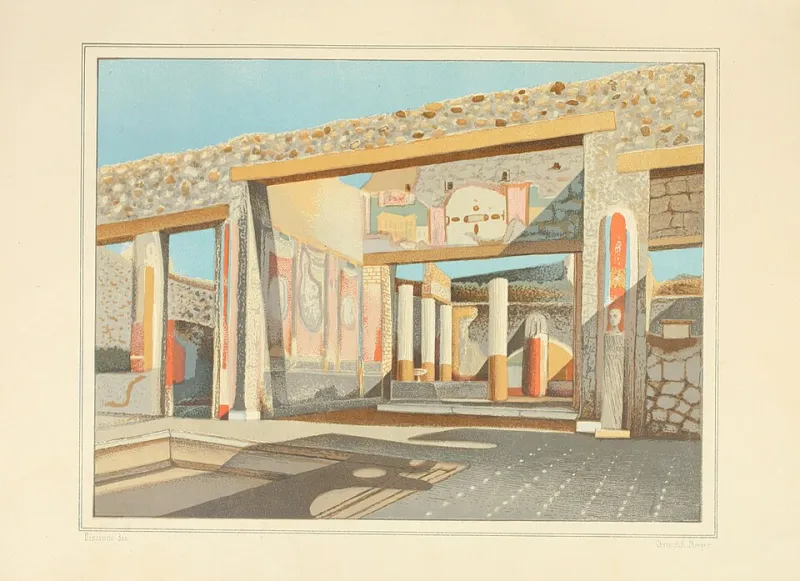
Photo: Geremia Discanno (d. 1907), Public domain, via Wikimedia Commons
There is a moment after pudding when the plates are cleared and the fire has settled into a low, orange hum. You have a choice: another drink, or a walk. The country inns that understand this moment are the ones worth booking. They are the inns that keep a box of torches by the door, a laminated footpath map behind the bar, and a landlord who knows which stile is muddy in November.
This is not a small thing. A rural escape is not just a nice room and a good dinner. It is the half-hour loop after dark, the crunch of gravel, the sudden quiet beyond the car park. The inn that makes that easy is an inn that has thought about why you came.
The Five-Minute Ask at Booking
When you ring or email to book, you probably ask about check-in times and whether the room has a bath. Add two more questions: do you have printed walks from the door, and do you lend torches? The answer is more revealing than a list of local attractions. An inn that says yes without hesitation is an inn that expects guests to go outside. An inn that says no, or that offers a vague wave towards the lane, is telling you something too.
Ask specifically about evening walks. A route that works in daylight can be a different beast after dark. Are the gates easy to find? Is there a section along a road with no verge? Does the path flood? The person on the phone may not know, but if they promise to ask the landlord and ring you back, that is a good sign.
What a Good Route Sheet Actually Contains
A proper footpath map is rarely glossy. It is often a photocopy, slightly out of date, with a handwritten note in the corner. It might say 'turn left at the second gate, not the first, the first is a dead end'. It will give a distance and a rough time. It will mention a pub halfway round, or a bench with a view, or the fact that the last field is ploughed and heavy going.
That is the difference between a leaflet and knowledge. A leaflet tells you a walk exists. A route sheet tells you how to do it without regret. Look for grid references, or at least a clear sketch. Look for warnings about livestock. If the sheet is dog-eared and has pencil updates, that is a good sign. It means people use it.
The Torch Test
Loan torches are a small kindness that says a lot. Are they charged? Are they actually by the door, or does someone have to disappear into a back room for ten minutes? A box of head torches is even better, because they leave your hands free for a gate or a dog lead. If the inn hands you a dying Maglite with a sticky switch, you can still have a lovely walk, but you have learned something about maintenance.
The best inns keep a charging station. They check the torches weekly. They have a couple of spares for the guests who forgot. This is not expensive. It is just attention.
Stiles, Gates and the Landlord's Memory
The most useful thing in any inn is not on the menu. It is the landlord's memory of the land around them. Ask: 'If we walk the loop after dark, is there anything to avoid?' The answer might be a bull in the far field, a bridge that is out, a path that is churned to soup by tractors. That is live information. It changes with the seasons and the weather.
An inn that knows its own footpaths is an inn that is part of the place. It is not just a business parked in a village. It is a business that has learned the village. That usually shows up in other ways too: the local ale, the noticeboard, the way the staff talk about the farm down the road.
Why This Matters More Than the Menu
Any competent kitchen can produce a decent burger. Any decent inn can buy a nice bit of fish. But a footpath map and a box of torches cannot be copied from a chain hotel playbook. They are local, specific, and slightly awkward. They require someone to have walked the route and thought about guests who do not know the area.
For a rural escape, that is the whole point. You are not just paying for a bed. You are paying for a place that makes the countryside accessible. The walk after dinner is not an add-on. It is the reason to be there.
A Small Ritual to End the Evening
Here is a ritual worth adopting. After the last fork, before the last drink, ask for a torch and take the short loop. Twenty minutes is enough. You will see the inn from the outside, lit windows and all. You will hear the night. You will come back to a fire that seems warmer for the cold.
At Whitehouse Country Inn, we keep a map by the door and a torch on the hook for exactly this. But the principle works anywhere. The inn that hands you a light and a route is the inn that wants you to enjoy the place, not just the room. Book that one.