What the Pumps Are Whispering: Reading a Country Inn's Cask Board Before You Book
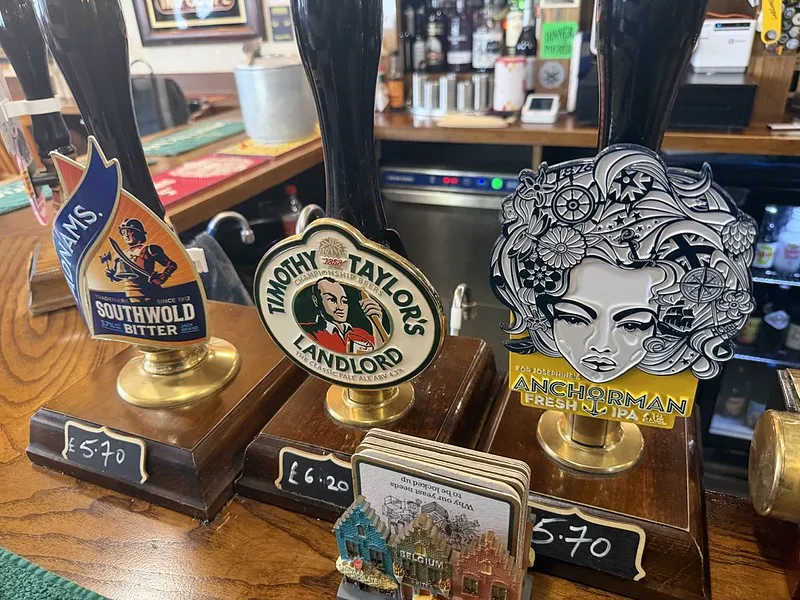
Photo: 55belgianbeerfan, CC0, via Wikimedia Commons
There is a moment, just after you push through the door of a country inn, when your eyes adjust and the first thing you clock is not the fire or the carpet but the row of pump clips. Some are polished, some are chalked on a board by the door, some are tucked behind a little glass case like museum pieces. It is easy to treat them as decoration. They are not. That line-up is a small, unhurried advertisement for how the place thinks about itself, and it is one of the most useful filters you can apply before you commit to a room, a Sunday lunch or a long winter afternoon.
The board is a shortlist, not a syllabus
A good cask board does not try to show off. It offers four, five, maybe six beers and trusts you to find your way. What matters is not the length of the list but the logic behind it. If every clip is a household name and nothing else, it may simply be a tied house doing its best. That is not a sin. But if there is a local name you do not recognise, a brewery from the next valley, a beer named after a nearby hill, that is a signal of curiosity. It suggests someone has bothered to pick up the phone, taste the sample and change the line. For a traveller, that is the same instinct that tends to show up in the kitchen: a menu that mentions the farm, the baker, the smokehouse.
Local names and the geography of a pint
Look at the small print on the clips, or the guest board if there is one. A board that reads like a map is promising. It does not guarantee brilliance, but it does suggest a pub plugged into its neighbourhood. Ask the person behind the bar where the beer comes from. A vague wave at the pumps is less encouraging than a name, a village and a story about the brewer's dog. That kind of answer is the same one you want when you ask about the pork pie or the cheese. Local sourcing is not a competition, but it is a habit, and habits are hard to fake over time.
Freshness you can taste before you order
Cask ale is a living thing. It does not improve by sitting in a cellar for a month, and it does not forgive a line that has been left to its own devices. A well-kept pint should be clear unless it is meant to be hazy, cool but not icy, and lively without being a foam party. If the board lists the same guest ale it listed in the summer, ask yourself why. High turnover is a good sign: a busy bar shifts the cask before it fades. A quiet pub with too many lines can be a warning, though not always. The honest move is to ask for a taster. Most landladies and landlords will pour a thimble without a sigh. If they seem put out, that is information too.
What the clips say about the cellar and the welcome
You cannot see the cellar from the bar, but the beer is a report from it. Clean lines, steady temperature and a sensible sparkler policy all show up in the glass. A pint that arrives with a decent head and a clean aroma suggests discipline. A pint that tastes of cardboard or vinegar is not a tragedy; it is a reason to choose something else and perhaps a reason to book elsewhere. Notice, too, how the board is written. A chalked date, an ABV, a tasting note, a cheerful note about a beer coming back by popular demand: these are small signs of care. A laminated board from another decade is not fatal, but it does tell you where the energy goes.
Using the board as a booking filter
Before you book a country inn for the night, check the beer board. Not because you have to drink cask ale, but because it is a shortcut to the pub's character. A board with local guests, sensible prices and a couple of dark beers in winter suggests a place that thinks about its customers. A board with nothing but lager and a single smoothflow tap might still be a lovely pub, but it is telling you something about its priorities. If you are planning a rural escape, a winter stay or a long lunch, ring ahead and ask what is on. The answer will often be more revealing than the website's gallery.
A quiet ritual before you sit down
Make it a small ritual. On arrival, before you take off your coat, read the board. Ask for a half of something you have never heard of. Sit near the fire if there is one. Notice whether the beer gets better or worse as the evening goes on, and whether the person behind the bar seems pleased to talk about it. That is the sort of research we like at Whitehouse Country Inn: unhurried, local and always in favour of the second pint. The best country inns do not make a performance of their beer. They keep it well, write it up honestly and let the pumps do the talking. Your job is to listen.