From Field to Fireside: How a 20-Mile Menu Tells the Story of a Place
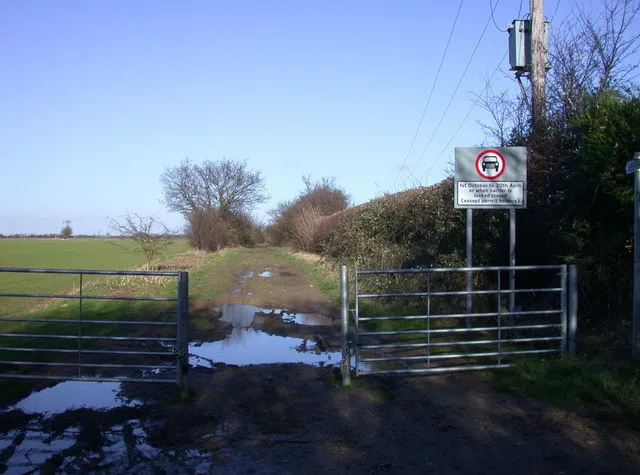
Photo: Keith Edkins, CC BY-SA 2.0, via Wikimedia Commons
A menu can be a map. On a dark November evening, a plate of slow-cooked mutton with swede, a wedge of cloth-bound cheddar and a pint brewed three villages away can tell you more about where you are than any guidebook. This is the quiet promise of the local table movement: not just that the food is nearby, but that it carries a story of the place—its farms, its weather, its stubborn seasonal rhythms and the people who work with them.
The menu as a map
The phrase 20-mile menu is shorthand rather than a strict rule. Some inns work within a tight radius; others stretch the boundary for coffee, tea, spices or olive oil, which simply do not grow in the UK. The point is not mathematical purity. It is a relationship between the kitchen and the landscape around it. When a country inn buys a whole pig from a farm up the lane, uses a bakery in the next town for sourdough and serves beer from a brewery you can walk to, the menu starts to read like a local history.
That is why the best local tables feel different from a menu that simply sprinkles the word 'local' across the page. The provenance is specific. The cheese has a farm name. The blackcurrants came from a hedge a few fields away. The game was shot on the estate next door. You do not need a lecture with dinner, but a few honest details can make a plate much more memorable.
How a local table is built
Behind every hyper-local menu there are conversations. A publican talks to a farmer about what will be available in February. A chef plans around a glut of courgettes or a short season for damsons. A baker adjusts the loaf to the flour that is actually available. A brewer and an innkeeper work out a house ale that suits the bar. These relationships take time, and they are not always neat. Weather spoils crops. Animals grow at their own pace. A delivery might be smaller than expected.
The good inns build flexibility into their menus. They preserve, pickle and freeze gluts. They use cheaper cuts properly. They put vegetables at the centre of the plate rather than treating them as garnish. And they are honest when something has run out or when a favourite ingredient is off the menu because the season says so. That honesty is part of the appeal: you are eating in a real place, not a theme park version of the countryside.
What to ask when you book
You do not need to interrogate anyone, but a few friendly questions can tell you a lot. Which ingredients come from within 20 miles? Can you tell me about the farm that supplies the beef? Is the menu changing this week? Do you preserve or freeze seasonal gluts? Are the vegetarian options local too, or just the meat? What is in season that you are particularly pleased with?
Ask by email or phone before you book, especially for a weekend break. Good inns tend to answer with names, not vague assurances. If the reply is all 'local where possible' and no detail at all, you may still have a fine meal, but the local table claim is probably marketing rather than method. Other red flags include a menu that never changes, imported asparagus in December, and a cheese board with no named producer.
Dishes to seek out in 2026
In winter, look for game—pheasant, partridge, venison—with root vegetables, brassicas and proper gravy. A suet-crust pie, a barley broth, a dish of leeks with cheese or a plate of sausages from a nearby farm are all good signs. On the coast, seek out fish that is genuinely landed nearby and ask what is sustainable. In autumn, follow the orchard fruit: apples, pears, quince and damsons. In spring, look for wild garlic, early greens and rhubarb. In summer, it is the turn of soft fruit, salads and garden herbs.
A local cheese board is often the simplest test. If the staff can tell you which farm made each wedge and what it goes with, the rest of the menu is likely to have similar care. The same goes for the drinks list: a house ale, a local cider, a gin distilled down the road. These are small clues that the inn is knitted into its neighbourhood.
The honest limits of local
Local is not automatically better. A shorter journey does not guarantee good animal welfare, fair wages or a lighter environmental footprint. A tomato grown in a heated polytunnel five miles away may be less sustainable than one grown outdoors further afield. The 20-mile menu is a useful starting point, not a complete moral scorecard. The best inns know this. They talk about seasonality, waste, soil and animal husbandry as well as food miles. They also know that coffee, tea, rice and spices have to come from somewhere.
What matters is whether the local claim is part of a wider culture of care. Does the kitchen use the whole animal? Are there good vegetarian dishes? Does the menu change with the seasons? Does the inn pay its staff properly and support local suppliers through quiet months? These questions are harder to fit on a menu, but they are part of the story too.
Why it makes a stay memorable
A rural escape becomes more than a change of scenery when you can taste where you are. You remember the walk that ended in a pint brewed a few miles away. You remember the name of the farm on the cheese board. You remember the landlord explaining why the parsnips are particularly good this week. At Whitehouse Country Inn, we like to think our own tables tell a similar story—one of local suppliers, seasonal cooking and the simple pleasure of eating well in the place where the food was grown.
So when you book a country inn in 2026, ask a little more about the menu. Not to catch anyone out, but to find the places that are genuinely rooted. The reward is a weekend that feels connected—to the landscape, to the people who work it, and to the quiet pleasure of a plate that could only belong where you are sitting.